AI / ML
- Home
- <
- AI / ML
PELF
AI/ML SERVICES
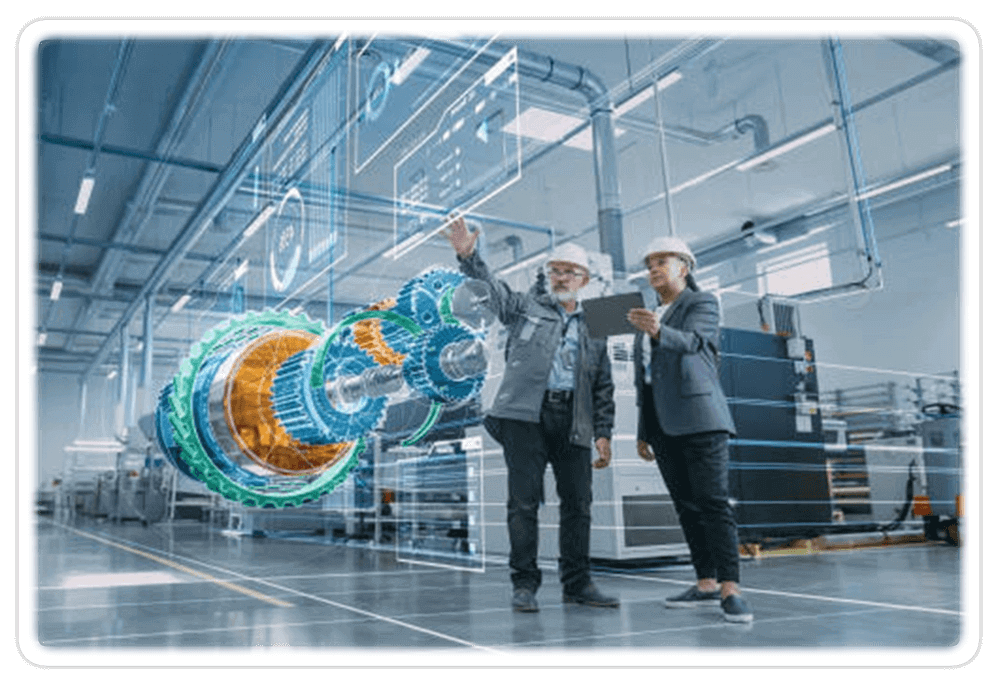
DIGITAL TWIN

Our integrated AI & ML services empowers the business stakeholders to gain deeper insights into their operations.
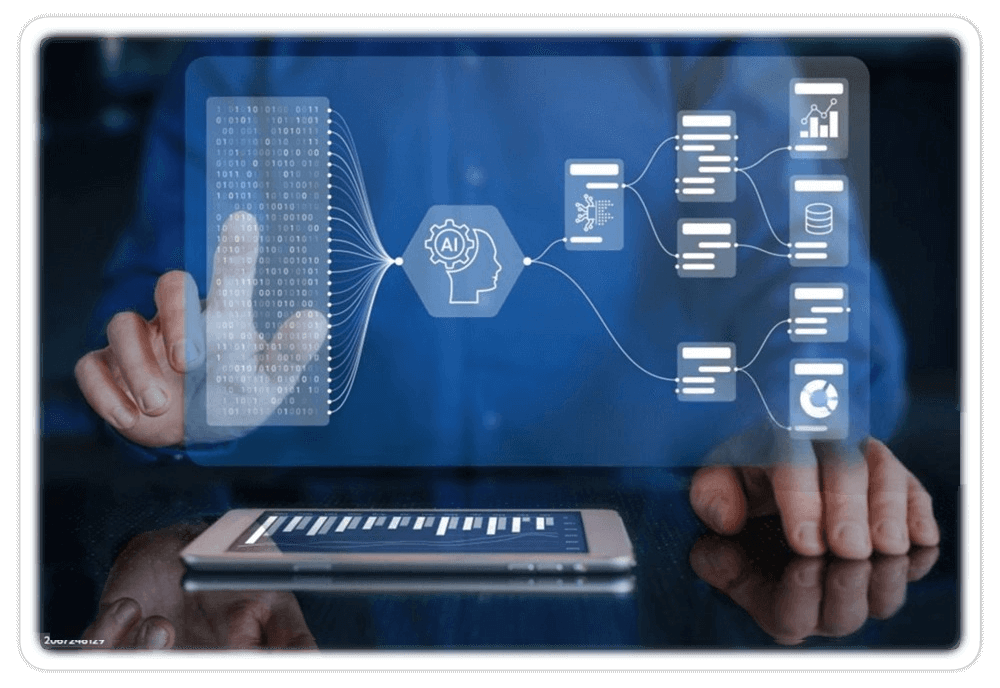
PROCESS AUTOMATION
PELF clients save resources significantly by automating routine tasks, analyzing vast amounts of data, and making informed decisions, quickly.
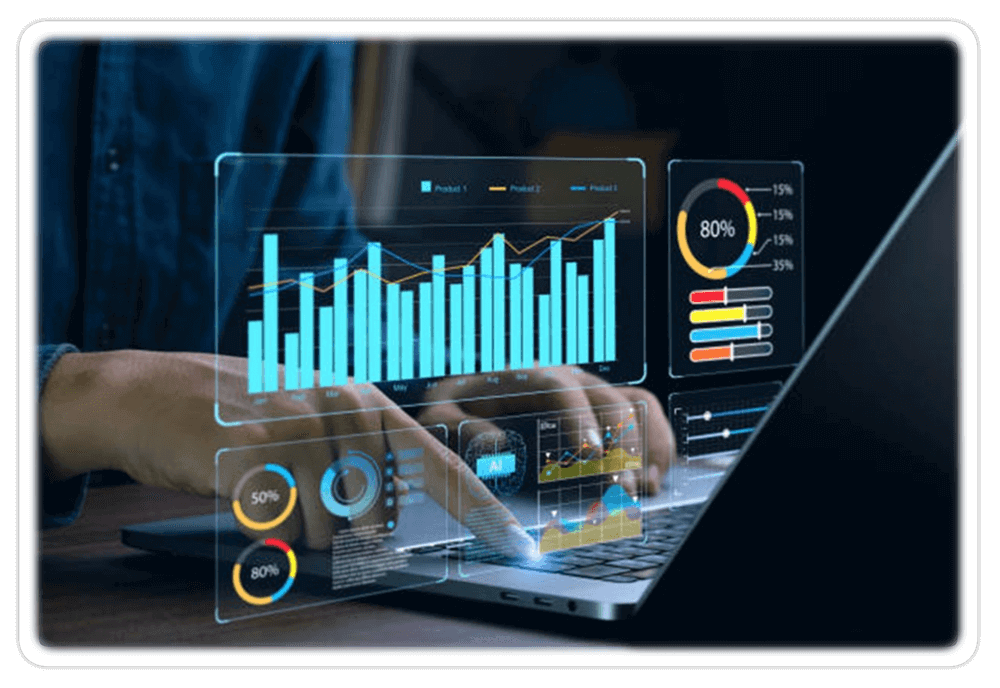
Data Intelligence
Our clients can save resources significantly by automating routine tasks, analyzing vast amounts of data, and make informed, analytical decisions quickly, machine monitoring and predictive maintenance.
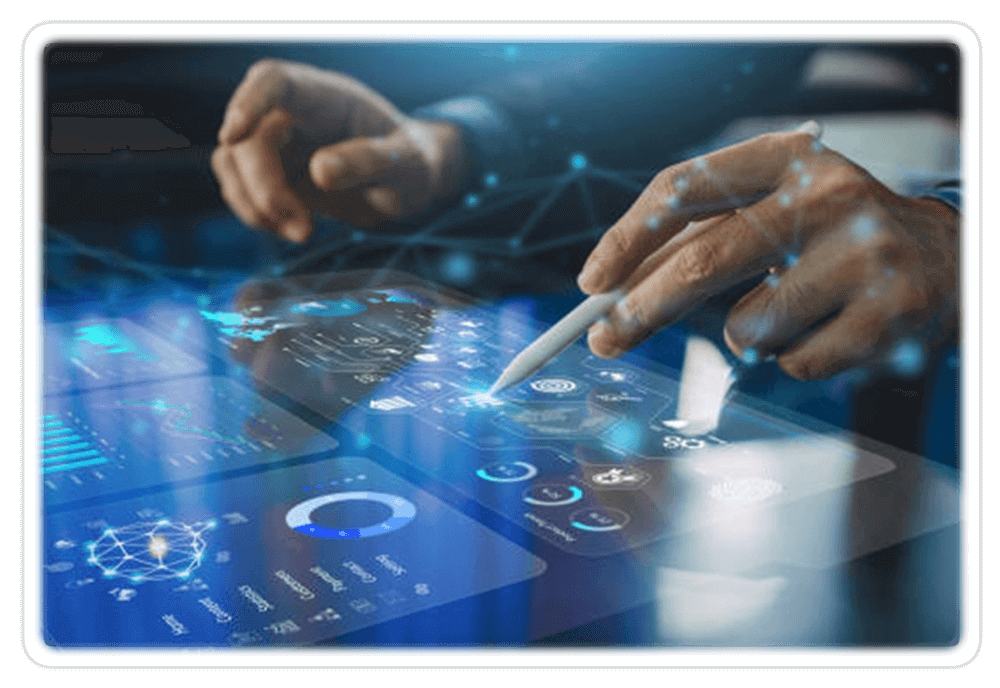
OEE (Overall Equipment Effectiveness)
PELF AI/ML Services helps clients with detailed analysis of the factors affecting Availability, Performance & Quality of the machine. We analyze efficiency, identify improvement areas, and help optimize the manufacturing process.

BENEFITS
Artificial Intelligence & Machine Learning


Enhanced Predictive Maintenance
Improved Design and Simulation
Real-Time Monitoring and Control
Streamlined Operations
Data-Driven Decision Making
Cost Reduction
Innovation and Competitive Advantage
Enhanced Operational Efficiency
Drives innovation & Strategic Decision-making
Faster, Simpler and Accurate Results
AI / ML
THE FUTURE IS NOW
Enhance Efficiencies, Achieve Accuracy, Drive Smarter
with PELF's Artificial Intelligence & Machine Learning

For every business, implementing Al and ML is no longer a choice, but play a pivotal role in driving competitive advantage. Our industry-based, customized Al and ML services empower your digital ecosystem to:
Reduce the time taken to perform a task
Precision in execution of the task
Study, predict, and make decision-making process significantly easier
All these tasks are achieved in the fastest possible time period – in seconds, if not minutes.

PELF
PELFINA EXPLAINS
Artificial Intelligence (AI) refers to the ability of machines and systems to mimic human intelligence to perform tasks and improve themselves based on the information they collect.
Machine Learning (ML) is a subset of AI that allows systems to learn from data and improve their performance without being explicitly programmed. By analyzing patterns and trends in large datasets, ML models can make predictions or decisions with minimal human intervention.
Artificial Intelligence
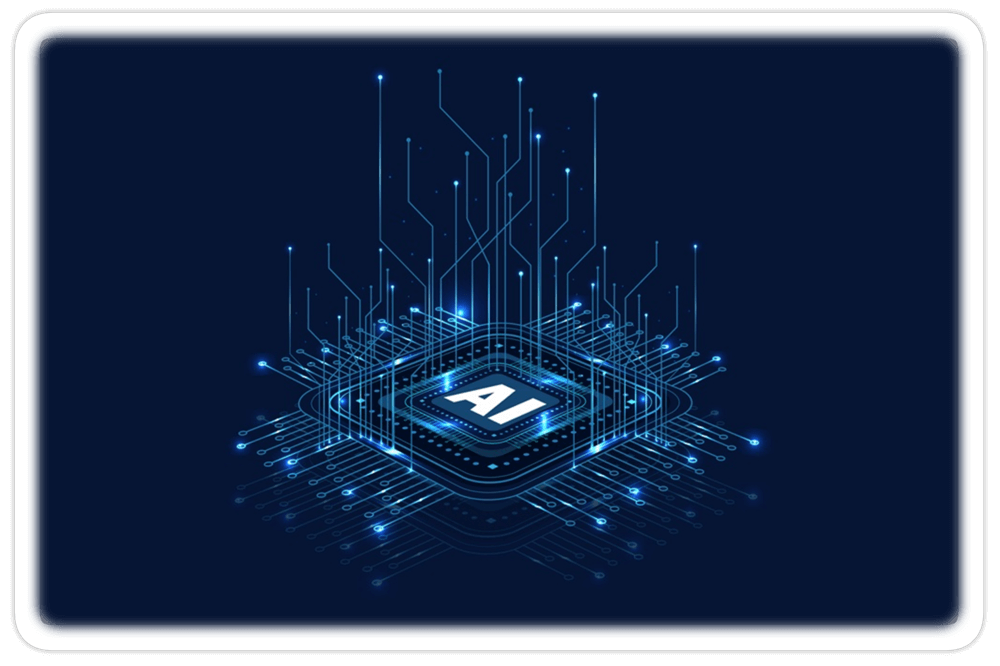
Artificial Intelligence allows a machine or a program to carry out tasks in a smarter way, by emulating a variety of human cognitive functions (reasoning, analytical problem solving, understanding natural language, and perception) to perform complex activities across industries.
Machine Learning
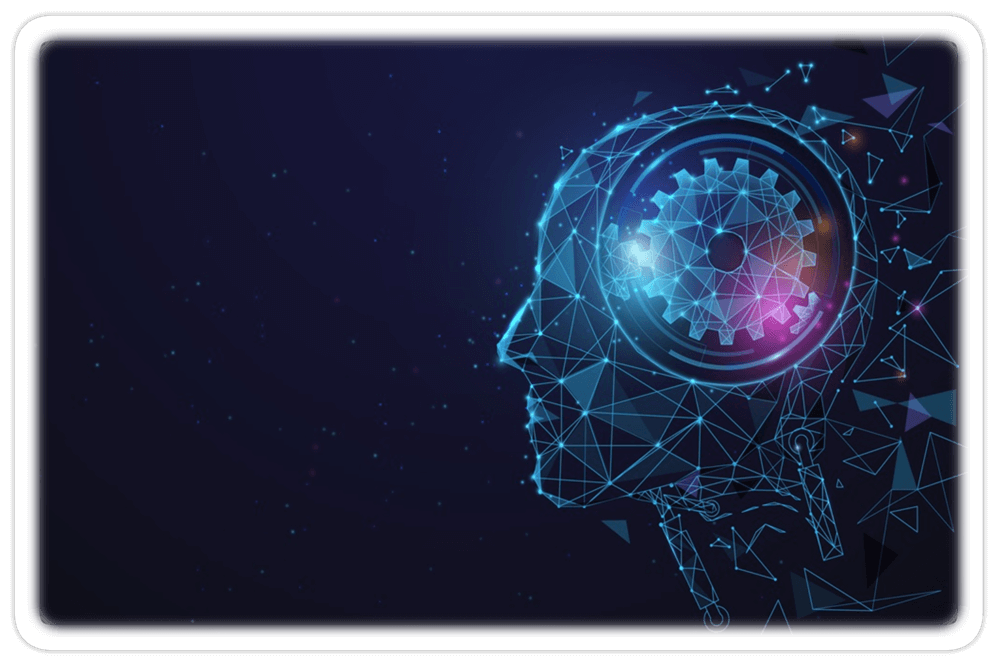
MACHINE LEARNING is a subset of Al which works on the data from the system to develop algorithms. This allows machines and programs to learn and make data-driven, relevant predictions. Since ML studies the data, and develops algorithms on top of them, it also takes responsibility of learning, and adapting to newer scenarios as more and more data is fetched from the systems.
AI / ML
FAQ’s
Artificial Intelligence (AI) is used in engineering and manufacturing to analyze large volumes of data, automate complex processes, and improve decision-making. AI helps organizations optimize product design, predict equipment failures, improve production efficiency, and enhance quality control.
Machine learning enables engineering teams to identify patterns in simulation data, production data, and operational performance. By analyzing these datasets, machine learning models can provide predictive insights that help engineers improve product performance and operational reliability.
AI can accelerate product development by analyzing engineering data, optimizing design parameters, and identifying potential design issues early in the development cycle. This helps reduce prototyping costs, shorten development timelines, and improve product quality.
Yes. AI and machine learning can enhance digital twin systems by analyzing real-time operational data and predicting system behavior. This allows organizations to perform predictive maintenance, optimize system performance, and continuously improve product designs.
AI algorithms analyze sensor data and historical performance information to detect early signs of equipment failure. This enables predictive maintenance strategies that reduce downtime, prevent unexpected breakdowns, and extend the life of critical machinery.
AI and machine learning are widely used in industries such as automotive, aerospace, manufacturing, energy, healthcare, and electronics. These technologies help companies improve efficiency, enhance product reliability, and gain deeper insights from engineering data.
AI can automatically detect anomalies in production data, simulation results, or operational systems. This helps engineering teams identify defects early, maintain consistent product quality, and ensure compliance with industry standards.
AI-driven engineering analytics typically use data from simulation models, sensors, manufacturing equipment, product testing, and operational systems. Combining these data sources enables organizations to generate more accurate engineering insights.
Common challenges include managing large datasets, integrating AI models with existing engineering systems, ensuring data accuracy, and building the right technical expertise. Successful AI implementation requires strong engineering knowledge and robust data infrastructure.
AI consulting services help organizations design and deploy machine learning models, integrate AI with engineering systems, and develop analytics frameworks that support smarter decision-making and continuous improvement.


For more information on PELF AI / ML solutions and services
- Call us on : +91 9028920844
- Write to us : info@pelfengineering.com